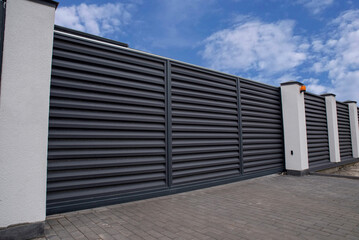
Wrought iron and metal fences require attention to prevent rust, especially around weld points. If rust is allowed to spread, replacement is the only option.
A quick walk around the fence every few months can nip problems in the bud. Using the right rust-removal tools and protective coatings can prevent serious damage. Visit Metal Gate and Fence for more information.
Clean and Lubricate
Even the most rugged iron gates and fences face the threat of corrosion. Philadelphia’s moisture-rich air can wreak havoc on metal components, and even high-quality gates are vulnerable to rusting if not properly maintained. Regular and thorough inspections allow you to spot small issues before they escalate. Rust spots, paint chips, loose screws, and other minor repairs should be addressed promptly to prevent further damage and deterioration.
A simple cleaning routine will help to prolong the life of your iron gate. Use a gentle soap solution with water to remove stubborn dirt, grime, and road salt. Avoid harsh chemicals, which can cause permanent damage to the metal surface. Scrub areas with stubborn stains, then rinse thoroughly to remove soap residue and prevent further damage from rain or sun. After washing, dry the surface completely with a soft cloth.
It’s also a good idea to apply a coat of wax or rust inhibitor to protect the metal surface from future corrosion. Apply the coating in accordance with manufacturer recommendations. The wax or rust inhibitor will provide additional protection from the elements, and it will also help to preserve the color and texture of your fence.
In addition to a regular cleaning regimen, it’s important to lubricate the hinges and hardware on your gate periodically. The constant movement and pressure exerted by the gate can cause the screws to loosen, or the hinges and latches to corrode. Adding a silicone-based lubricant to these areas will reduce friction, prevent rusting, and ensure the gate can open and close with ease.
Keeping proper drainage conditions around your fence and gate will also minimize the risk of corrosion and other damage. Ensure that the ground slopes away from the fence, and consider using drainage solutions to keep water from pooling. Inspect the drainage system regularly, and make any necessary adjustments based on weather patterns. Incorporating smart home technology like corrosion sensors can also detect early signs of rust and corrosion, prompting you to take preventative measures before a potential problem occurs. Some systems also include weather monitoring features that can alert you to changing weather conditions, allowing you to make proactive preparations before inclement weather hits.
Trim Vegetation
Depending on the material of your fence and its location, some plants will need regular trimming. For example, climbing vines may look pretty woven through your metal fence at first glance, but those vines and branches touching the fence will gradually corrode the protective power coating and paint that protect against rusting. Keeping these plants trimmed helps prevent damage to your metal fence and gate, while also keeping it attractive.
Trees with large branches can also be a safety concern, as they could break and fall on the fence or gates, or if they hang too close, may rub against them. Also, tree roots that are allowed to grow into or under a fence can cause structural issues and deteriorate the wood or metal. Inspecting the surrounding area for any hindrances to water flow and drainage is critical to the longevity of your fence. Trimming any plants or twigs that hang over the fence and are touching it is also important to ensure the proper water flow.
Regular inspections can help you spot any minor problems before they become larger ones, like rust spots or scratches. The right cleaners and rust-removal tools can keep vinyl, steel, and aluminum fences looking their best. For example, a few coats of paint can help a wooden fence withstand the elements and prevent moisture damage. And applying a coat of wax to an aluminum fence periodically will add a protective layer and give it that shiny, new appearance.
It’s common for a gate to experience some wear and tear over time, but ignoring these signs can lead to more serious problems like sagging or misalignment. If your gate makes a squeaking or scraping noise, it’s a sign that parts are rubbing together and need to be lubricated. Likewise, a gate that doesn’t latch or stay closed can be a security risk and needs to be fixed as soon as possible. Fortunately, this is an easy fix and can be done at home with some simple tools. In this blog post, we walk you through the steps from identifying the issue to making the necessary repairs.
Inspect Hardware
Performing regular inspections of gates and hardware is essential for the safety & functionality of the gate. These frequent assessments allow property owners to notice problems like misalignment, rust & debris accumulation and resolve them promptly before the damage escalates. It’s also a great time to touch up paint & other surface imperfections that may have been chipped, scratched or damaged from physical impact or environmental exposure.
When performing these maintenance tasks, it’s best to use PPE such as gloves, goggles & protective clothing. In addition to keeping you safe from hazardous materials, these items also help protect your health by preventing contact with harmful bacteria & pests.
Weather extremes wreak havoc on exterior fencing. Rain accelerates rust & wood rot, while ground freezing & thawing or high winds can cause gate misalignment. A gate that no longer closes securely can leave your home and property vulnerable to unwanted intruders.
Rust, corrosion & damaged or worn parts are common problems that can be prevented with consistent cleaning & routine lubrication. Inspecting for these issues on a regular basis allows you to catch them early & correct them before they escalate, saving you money & extending the lifespan of your fence.
While a metal gate or fence is generally more resistant to rust than wood, all corrosive elements must be addressed to keep the structural integrity of your barrier intact. A good place to start is with the hinges – inspecting for signs of corrosion, rust spots or scratches where bare metal is exposed. These issues should be corrected immediately using an anti-corrosion product or refinishing service. WD-40 is not sufficient to lubricate hinges, so invest in a better quality product like lithium grease to reduce friction & prevent further damage. These simple steps will significantly extend the lifespan of your wrought iron, steel or aluminum gates & fences. For more comprehensive inspections, rust removal services & expert repairs, reach out to a local professional. They can perform in-depth evaluations of your gate’s components, provide recommendations & complete any needed work to protect your property and enhance its value.
Regular Inspections
Performing regular inspections is critical to preserving the structural integrity of gates and fences. A compromised gate structure poses a security risk and creates an unauthorized access point to property. Regular inspections detect early signs of wear and tear, including rust, corrosion, warping, and physical damage. Addressing these issues promptly reduces the need for expensive repairs and extends the lifespan of gates and fences.
Weather conditions accelerate deterioration, regardless of the material type. Heavy rains and winds can weaken structural integrity. Water pooling at post bases can accelerate rot or rust, especially for metal components. Freeze-thaw cycles can shift ground clearances, causing leaning posts.
Prompt inspections and maintenance prevent these problems from escalating, minimizing the need for costly repairs. Regular cleaning prevents dirt buildup and enhances the aesthetic of fencing. Inspections can also identify problem areas that may require additional attention, such as a need for rust treatment or a loose board.
Routinely checking the functionality of gate motors, remote controls, and safety features is crucial to ensuring proper operation and protecting your family or animals from injury. Check for visible signs of wear and tear, including rust, and ensure all sensors are clear of debris, dust, and cobwebs to avoid sensor malfunction.
Inspecting gates and their surrounding environment helps identify potential issues that could arise from encroachment, soil shifting, or damage to neighboring property lines. These issues can lead to contentious legal battles if not resolved quickly and effectively. Regular inspections help confirm boundary markers are clearly defined and positioned correctly, eliminating confusion over property lines.
Performing routine cleanings, rust treatment, fastener checks, drainage maintenance, and managing surrounding vegetation are simple steps that dramatically prolong the life of gates and fences. These proactive steps are a smart way to protect your investment and keep your home safe and secure. For more information about the benefits of metal gate and fence maintenance, contact us today! Our experienced team is here to answer your questions and provide recommendations for best practices. We proudly serve homeowners in the greater Seattle area. Our dedicated team can assist with all of your residential and commercial needs!