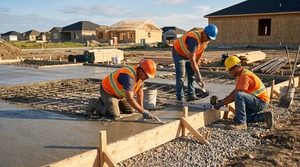
Building Contractors: The Key to Successful Construction Projects

Whether constructing a new home, expanding a commercial facility, or renovating an existing property, building contractors play a critical role in ensuring every phase of a construction project runs smoothly. From initial planning and budgeting to project completion, experienced building contractors bring expertise, coordination, and efficiency that help transform ideas into reality. Their ability to manage complex construction processes makes them an essential part of any successful building project.

building contractors

In today’s construction industry, property owners face numerous challenges, including budget constraints, material shortages, scheduling concerns, and regulatory requirements. Building contractors serve as the central point of contact throughout the project, overseeing every aspect of construction while maintaining quality standards and ensuring deadlines are met. Their knowledge and experience help minimize risks and provide clients with confidence throughout the entire building process.

What Do Building Contractors Do?

Building contractors are responsible for managing and executing construction projects from start to finish. Their duties extend far beyond simply supervising workers on a job site. They coordinate multiple aspects of construction to ensure all components come together efficiently and safely.

Some of the primary responsibilities of building contractors include:

  1. Project planning and scheduling.
  2. Budget management and cost control.
  3. Hiring and coordinating subcontractors.
  4. Procuring materials and equipment.
  5. Ensuring compliance with building regulations.
  6. Monitoring quality and safety standards.

By handling these responsibilities, contractors help property owners avoid common construction pitfalls while ensuring projects remain on track and within budget.

The Benefits of Hiring Professional Building Contractors

Construction projects involve numerous moving parts that require specialized knowledge and careful coordination. Hiring professional building contractors offers significant advantages that contribute to project success.

One major benefit is access to industry expertise. Experienced contractors understand construction methods, building materials, engineering requirements, and local regulations. Their knowledge allows them to anticipate challenges and implement effective solutions before problems escalate.

Another important advantage is efficient project management. Coordinating suppliers, subcontractors, inspections, permits, and timelines can be overwhelming for property owners. Building contractors streamline these processes, ensuring every stage progresses according to plan. Their organizational skills help reduce delays and improve overall efficiency.

Cost control is another valuable benefit. While some property owners may believe managing a project independently saves money, unexpected mistakes often lead to higher expenses. Contractors leverage established supplier relationships, negotiate favorable pricing, and identify cost-effective alternatives without compromising quality.

How Building Contractors Ensure Quality Construction

Quality is one of the most important factors in any construction project. Building contractors implement rigorous standards throughout the construction process to ensure structures are durable, safe, and built according to specifications.

The quality assurance process begins during project planning. Contractors review architectural designs, evaluate site conditions, and identify potential concerns before construction begins. This proactive approach helps prevent costly issues later in the project.

Throughout construction, contractors conduct regular inspections and monitor workmanship to ensure all tasks meet industry standards. They verify that materials are installed correctly and that every phase aligns with project requirements.

Quality-focused contractors also maintain clear communication with clients, architects, engineers, and subcontractors. This collaboration helps ensure everyone remains aligned with project goals and expectations, reducing misunderstandings and enhancing final results.

The Importance of Safety in Construction

Construction sites present numerous hazards that require careful management. Professional building contractors prioritize safety to protect workers, property owners, and the surrounding environment.

Effective safety programs include regular training, site inspections, hazard assessments, and compliance with applicable regulations. Contractors establish safety protocols that minimize accidents and create a secure working environment for everyone involved.

Key safety practices often include:

  1. Proper use of personal protective equipment.
  2. Regular equipment maintenance and inspections.
  3. Ongoing worker safety training.
  4. Clear communication of site hazards.
  5. Emergency response planning.

A strong commitment to safety not only protects workers but also helps prevent costly project delays and legal complications.

Modern Technology and Building Contractors

Technology continues to transform the construction industry, and building contractors increasingly rely on advanced tools to improve project outcomes. Modern construction technologies enhance efficiency, accuracy, communication, and project visibility.

Project management software allows contractors to track schedules, budgets, and progress in real time. Digital documentation reduces paperwork and improves collaboration among project stakeholders. Building information modeling and other advanced planning tools help identify potential conflicts before construction begins.

Drones, laser scanning, and remote monitoring technologies also provide valuable insights that improve site management and quality control. By embracing innovation, contractors can deliver more efficient and predictable construction experiences for their clients.

Choosing the Right Building Contractor

Selecting the right contractor is one of the most important decisions property owners can make. The contractor’s experience, reputation, and management capabilities directly influence project success.

When evaluating building contractors, it is important to consider several factors. Experience with similar projects can provide valuable insight into a contractor’s ability to meet specific requirements. Strong communication skills are equally important, as clear and consistent updates help maintain transparency throughout the project.

Property owners should also assess licensing, insurance coverage, references, and project portfolios. Reviewing past work provides a better understanding of the contractor’s quality standards and overall professionalism.

Taking the time to thoroughly evaluate potential contractors helps establish a strong partnership that contributes to a successful construction experience.

The Future of Building Contractors

The construction industry continues to evolve in response to changing technologies, sustainability goals, and client expectations. Building contractors are increasingly adopting environmentally responsible practices, energy-efficient construction methods, and sustainable building materials.

As demand for smarter and more efficient buildings grows, contractors must remain adaptable and committed to continuous learning. Those who embrace innovation, prioritize quality, and maintain strong project management capabilities will continue to play a vital role in shaping the future of construction.

Conclusion

Building contractors serve as the foundation of successful construction projects. Their expertise in planning, coordination, budgeting, quality control, and safety ensures projects are completed efficiently and professionally. Whether constructing a new property, renovating an existing structure, or managing a large-scale commercial development, professional building contractors provide the leadership and technical knowledge necessary to achieve outstanding results.

By partnering with experienced contractors, property owners gain access to valuable resources, industry expertise, and streamlined project management processes that help bring construction visions to life. As the construction industry continues to advance, the role of skilled building contractors will remain essential in delivering safe, durable, and high-quality structures for years to come.

Residential Concrete Services Enhancing Strength, Functionality, and Curb Appeal

GK Construction Solutions has become one of the most essential materials in modern residential construction, valued for its durability, versatility, and long-term performance. While it was once seen primarily as a structural or foundational material hidden beneath finishes, it now plays a much more visible and functional role in residential design. Driveways, walkways, patios, retaining walls, decorative features, and even interior flooring systems increasingly rely on concrete as both a structural solution and an aesthetic element.

concrete

Residential concrete services encompass a wide range of applications that go far beyond simple slab pouring. These services are designed to enhance the strength of a property, improve day-to-day functionality, and elevate curb appeal through thoughtful design and precision workmanship. Whether used for foundational support or decorative landscaping features, concrete offers a balance of performance and visual appeal that few other materials can match.

Understanding how residential concrete services contribute to strength, functionality, and curb appeal requires a closer look at how the material is used, maintained, and customized within residential environments.

The role of concrete in residential strength and structural integrity

At its core, concrete is fundamentally a structural material. Its compressive strength makes it ideal for supporting heavy loads, resisting environmental stress, and providing long-term stability for residential structures. From foundations to load-bearing surfaces, concrete forms the backbone of many residential systems.

One of the key advantages of concrete is its ability to withstand a wide range of environmental conditions. It resists moisture penetration when properly sealed, holds up under temperature fluctuations, and provides a stable base that does not easily shift or deform. This makes it particularly valuable in areas where soil movement, heavy rainfall, or temperature variation can compromise less durable materials.

Residential concrete services contribute to structural strength in several key ways:

  1. Foundation installation and reinforcement that supports the entire structure.
  2. Concrete slabs that provide stable flooring for garages, patios, and outdoor areas.
  3. Retaining walls that stabilize soil and prevent erosion.
  4. Structural repairs that restore integrity to damaged surfaces.
  5. Reinforcement techniques, such as rebar integration for added durability.

Each of these applications ensures that a property remains stable and secure over time, reducing the risk of structural failure or costly repairs.

Enhancing everyday functionality through concrete applications

Beyond strength, concrete plays a significant role in improving the functionality of residential spaces. Functional design focuses on how spaces are used in daily life, and concrete offers flexible solutions that enhance usability, accessibility, and convenience.

Driveways made from concrete, for example, provide smooth and durable surfaces that can handle frequent vehicle traffic without rapid deterioration. Walkways and pathways improve movement throughout outdoor spaces, creating clear and stable routes that enhance safety and accessibility. Patios and outdoor living areas extend usable space, allowing homeowners to create functional environments for relaxation and entertainment.

Concrete is also highly adaptable, which allows it to be shaped and finished according to specific functional needs. This adaptability makes it suitable for both large-scale structural applications and smaller design elements that improve usability.

Common functional uses of residential concrete services include:

  1. Driveways designed for long-term vehicle durability and load-bearing capacity.
  2. Sidewalks and walkways that improve property navigation and safety.
  3. Outdoor patios that expand living and entertainment space.
  4. Garage floors engineered for heavy-duty use and resistance to wear.
  5. Steps and entryways that provide stable and safe access points.

These functional improvements contribute directly to the livability and practicality of a residential property.

The aesthetic transformation of modern concrete design

While concrete is known for its strength, it has also become a key element in modern aesthetic design. Advances in finishing techniques, coloring methods, and stamping technologies have transformed concrete into a visually versatile material that can mimic natural stone, tile, brick, or even polished surfaces with a sleek contemporary look.

This evolution has allowed concrete to move beyond purely utilitarian uses and become an important part of architectural expression. Homeowners and designers increasingly use decorative concrete to enhance curb appeal and create visually cohesive outdoor environments.

Decorative techniques include stamped patterns, exposed aggregate finishes, staining, polishing, and textured surfaces. These methods allow concrete to be customized to match different architectural styles, from traditional to modern minimalist designs.

Aesthetic benefits of residential concrete services include:

  1. Custom color options that complement exterior design themes.
  2. Decorative stamping that replicates natural materials like stone or brick.
  3. Polished finishes that create a modern, refined appearance.
  4. Textured surfaces that enhance visual depth and interest.
  5. Seamless integration with landscaping and exterior features.

Through these design options, concrete becomes not just a functional material but also a key contributor to curb appeal.

Increasing property value through concrete improvements

Residential concrete services can have a direct impact on property value. Well-designed and properly installed concrete features improve both the appearance and functionality of a home, which can make the property more attractive to potential buyers.

A well-maintained driveway, for instance, creates a strong first impression, while a thoughtfully designed patio can enhance the perceived livable space of the property. Structural improvements such as reinforced foundations or retaining walls also provide reassurance about the long-term stability of the home.

From a real estate perspective, concrete improvements are often considered high-value investments because they combine durability with visual enhancement. Unlike some materials that require frequent replacement or maintenance, concrete offers long-term performance with relatively low upkeep requirements.

Durability and low maintenance advantages

One of the most significant benefits of concrete is its durability. When properly installed and maintained, concrete surfaces can last for decades without major deterioration. This longevity makes it a cost-effective choice for residential applications.

Concrete is resistant to many common forms of damage, including weathering, pest activity, and general wear and tear. While it may develop minor cracks over time due to natural settling or temperature changes, these issues are typically manageable with routine maintenance.

Low maintenance requirements also contribute to its appeal. Unlike materials that require frequent sealing, painting, or replacement, concrete generally only needs occasional cleaning and periodic sealing to maintain its appearance and performance.

Key durability advantages include:

  1. Resistance to heavy loads and structural stress.
  2. Long lifespan with proper installation.
  3. Minimal maintenance requirements compared to alternative materials.
  4. Ability to withstand weather extremes.
  5. Strong resistance to wear from daily use.

These characteristics make concrete a practical and economical choice for long-term residential use.

The importance of proper installation and workmanship

The performance of concrete is highly dependent on the quality of installation. Even high-quality materials can fail prematurely if not properly mixed, poured, and cured. Residential concrete services, therefore, rely heavily on skilled workmanship and precise execution.

Proper site preparation is essential to ensure stability and prevent future issues such as cracking or uneven settling. This includes grading the surface, compacting the base, and ensuring proper drainage. During installation, attention to detail in mixing ratios, reinforcement placement, and finishing techniques plays a critical role in the outcome.

Curing is another important stage, as it allows the concrete to reach its full strength over time. Improper curing can lead to weakened surfaces or increased susceptibility to damage.

Sustainability and modern concrete practices

Modern residential concrete services are increasingly incorporating sustainable practices. This includes the use of recycled materials, improved production methods that reduce environmental impact, and design approaches that enhance energy efficiency in surrounding structures.

Permeable concrete options, for example, allow water to pass through the surface, reducing runoff and improving drainage. This can be particularly beneficial in residential landscapes where water management is a concern.

Sustainable practices in residential concrete work often focus on:

  1. Reducing material waste during construction.
  2. Incorporating recycled aggregates.
  3. Improving energy efficiency in production processes.
  4. Enhancing water management through permeable designs.
  5. Extending product lifespan to reduce replacement frequency.

These practices align with broader trends in environmentally conscious construction.

Versatility across residential applications

One of the defining strengths of concrete is its versatility. It can be used in both structural and decorative applications, indoors and outdoors, and in large or small-scale projects. This flexibility allows homeowners to maintain design consistency across different parts of a property.

Concrete can be shaped into complex forms, combined with other materials, or finished in a wide range of textures and colors. This adaptability makes it suitable for everything from foundational work to decorative garden features.

Residential concrete services play a vital role in enhancing the strength, functionality, and curb appeal of modern homes. Through its structural reliability, design flexibility, and long-term durability, concrete supports both practical and aesthetic goals in residential construction.

From driveways and patios to foundations and decorative finishes, concrete contributes to nearly every aspect of a property’s performance and appearance. Its ability to combine strength with visual versatility makes it one of the most valuable materials in residential design.

Ultimately, investing in professional concrete services is not just about improving individual features of a home—it is about creating a more durable, functional, and visually appealing living environment that stands the test of time.
Cabinet Refinishing for Small Kitchens, Big Impact on a Budget

Small kitchens often come with unique design challenges. Limited floor space, reduced storage capacity, and tighter layouts can make it difficult to achieve both functionality and visual appeal. Yet, despite their size, small kitchens have significant potential for transformation. One of the most effective ways to unlock that potential is through San Jose Cabinet Refinishing which is a budget-friendly approach that can completely change how the space looks and feels without requiring structural renovation.

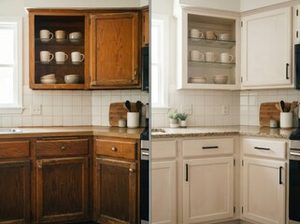
Cabinets are typically the most dominant visual feature in any kitchen, and in small kitchens, their influence is even more pronounced. Because there is less space overall, cabinet color, finish, and condition play a major role in shaping the perception of openness and cleanliness. Outdated or worn cabinets can make a compact kitchen feel even smaller, while freshly refinished cabinets can create a sense of brightness, order, and spaciousness.

cabinet refinishing

Cabinet refinishing offers a cost-effective way to enhance small kitchens by focusing on surface transformation rather than full replacement. This makes it especially appealing for homeowners who want a high-impact upgrade without exceeding a limited budget.

Why Cabinet Refinishing Works Especially Well in Small Kitchens

In smaller kitchens, every visual detail matters. Unlike larger kitchens, where design elements can be distributed across a wider space, compact kitchens rely heavily on a few key surfaces to define the overall aesthetic. Cabinets, therefore, become a central design feature that can either enhance or limit the room’s visual potential.

Refinishing allows homeowners to completely refresh these surfaces without changing the layout or structure of the kitchen. This is particularly valuable in small spaces where structural changes are often difficult or expensive.

Key reasons refinishing is ideal for small kitchens include:

  1. Maximizing visual impact without altering layout.
  2. Improving brightness and perceived space.
  3. Enhancing cleanliness and modern appeal.
  4. Reducing renovation costs significantly.
  5. Avoiding disruption to compact functional areas.

Because small kitchens depend so heavily on visual clarity, refinishing can create a transformation that feels much larger than the actual physical change.

Creating the Illusion of More Space Through Cabinet Color

One of the most powerful effects of cabinet refinishing in small kitchens is its ability to influence spatial perception. Color plays a major role in how large or small a space feels, and cabinets cover a significant portion of kitchen walls.

Lighter colors tend to reflect more light, making the kitchen feel more open and airy, while darker tones can add depth but may reduce the sense of space if not balanced correctly.

Popular color strategies for small kitchens include:

  1. Soft whites and off-whites for maximum brightness.
  2. Light grays to maintain a modern, neutral appearance.
  3. Pale beige tones for warmth without heaviness.
  4. Soft pastel shades for a subtle personality.
  5. Light wood-inspired finishes for natural openness.

By choosing the right refinishing color, homeowners can visually expand a small kitchen without changing its footprint.

Budget-Friendly Transformation Without Full Renovation Costs

One of the biggest advantages of cabinet refinishing is its affordability compared to full cabinet replacement. Small kitchens may require fewer materials, but replacement costs can still be high due to labor, installation, and structural considerations.

Refinishing avoids these expenses by working with existing cabinet structures. Instead of removing and replacing cabinetry, the focus is on restoring and enhancing what already exists.

Budget advantages include:

  1. No cost for new cabinet construction.
  2. Reduced labor and installation expenses.
  3. Minimal demolition or disposal costs.
  4. Shorter project timelines.
  5. Lower material consumption overall.

For homeowners working within a tight renovation budget, refinishing provides a high-impact solution without financial strain.

Improving Lighting and Brightness in Small Kitchens

Lighting plays a critical role in how small kitchens feel. Dark or worn cabinets can absorb light and make the space feel even more confined. Refinishing allows homeowners to choose finishes that enhance light reflection and improve overall brightness.

Even kitchens with limited natural light can feel more open when cabinets are updated with lighter or more reflective finishes.

Lighting-related benefits of refinishing include:

  1. Better reflection of natural and artificial light.
  2. Reduced shadowing in tight spaces.
  3. Brighter overall atmosphere.
  4. Improved visibility during cooking and cleaning.
  5. Enhanced sense of openness.

This improvement in brightness can dramatically change how comfortable and functional a small kitchen feels.

Maximizing Design Efficiency in Limited Space

Small kitchens require efficient design choices where every surface contributes to both function and aesthetics. Cabinet refinishing supports this goal by improving existing structures without requiring layout changes.

Instead of attempting to expand the kitchen physically, refinishing focuses on optimizing what is already available.

Design efficiency benefits include:

  1. Maintaining existing storage configurations.
  2. Enhancing the visual organization of cabinetry.
  3. Reducing cluttered or outdated appearances.
  4. Improving cohesion between kitchen elements.
  5. Supporting streamlined design updates.

This makes refinishing particularly effective for compact kitchens where space optimization is essential.

Addressing Wear and Tear in High-Use Areas

Small kitchens often experience heavy daily use due to concentrated activity in a limited space. As a result, cabinet surfaces tend to wear faster, especially around handles, edges, and frequently used areas.

Refinishing restores these surfaces, removing visible damage and improving durability for continued use.

Common issues addressed through refinishing include:

  1. Scratches and scuff marks from frequent contact.
  2. Fading caused by repeated cleaning.
  3. Chips along edges and corners.
  4. Stains from cooking and moisture exposure.
  5. General surface dullness over time.

By restoring these areas, refinishing helps maintain both appearance and functionality.

Enhancing Storage Perception Through Visual Updates

In small kitchens, storage is often limited, making organization and visual perception extremely important. While refinishing does not physically increase storage space, it can significantly improve how storage is perceived.

Clean, uniform cabinet surfaces create a more organized and structured appearance, which helps reduce visual clutter.

Perception improvements include:

  1. Cleaner and more uniform cabinet alignment.
  2. Reduced visual distractions from worn finishes.
  3. Improved sense of order and organization.
  4. Enhanced continuity across cabinet sections.
  5. More cohesive overall kitchen appearance.

These improvements help make small kitchens feel more functional and less cramped.

Updating Style Without Structural Changes

One of the challenges of small kitchens is that structural changes are often limited due to space constraints. Cabinet refinishing provides a way to update style without altering layout or reducing functionality.

This flexibility allows homeowners to modernize their kitchens while maintaining existing infrastructure.

Style update opportunities include:

  1. Transitioning from outdated colors to modern tones.
  2. Creating minimalist or contemporary aesthetics.
  3. Incorporating two-tone cabinet designs.
  4. Refreshing traditional styles with updated finishes.
  5. Aligning cabinetry with current interior trends.

These updates can completely transform the kitchen’s personality without structural renovation.

Durability and Long-Term Value Benefits

Although cabinet refinishing is often chosen for its immediate visual impact, it also provides long-term value by extending the life of existing cabinetry. High-quality refinishing can protect surfaces from future wear and improve resistance to everyday use.

Long-term advantages include:

  1. Extended cabinet lifespan.
  2. Improved resistance to moisture and stains.
  3. Reduced need for future replacements.
  4. Better return on existing cabinetry investment.
  5. Continued aesthetic appeal over time.

This makes refinishing both a short-term upgrade and a long-term improvement strategy.

When Cabinet Refinishing Is Most Effective in Small Kitchens

Cabinet refinishing is especially effective when cabinets are structurally sound but visually outdated or worn. It is also ideal when homeowners want a noticeable improvement without undertaking a full renovation.

It works best when:

  1. Cabinet structure is still stable and functional.
  2. Layout changes are not required.
  3. Budget is limited but improvement is desired.
  4. A quick transformation is preferred.
  5. Cosmetic updates are the main priority.

In these situations, refinishing delivers maximum impact with minimal cost.

Maintenance After Refinishing in Small Kitchens

Maintaining refinished cabinets is essential to preserving their appearance, especially in small kitchens where surfaces are used frequently. Proper care helps ensure that the updated look lasts as long as possible.

Recommended maintenance practices include:

  1. Cleaning with gentle, non-abrasive products.
  2. Avoiding excess moisture exposure.
  3. Wiping spills immediately.
  4. Using soft cloths for regular cleaning.
  5. Addressing minor damage early.

Consistent maintenance helps preserve both appearance and durability.

Cabinet refinishing offers a powerful, budget-friendly solution for transforming small kitchens. By focusing on surface restoration and color updates, it delivers a big visual impact without the cost or disruption of full cabinet replacement.

In compact spaces where every design choice matters, refinishing improves brightness, enhances perceived space, and modernizes outdated cabinetry while preserving existing layouts. It is one of the most efficient ways to achieve a fresh, updated kitchen without exceeding a limited budget.

For homeowners seeking maximum transformation with minimal investment, cabinet refinishing stands out as a practical and highly effective option that brings lasting value and noticeable improvement to small kitchen spaces.

Metal Gate and Fence Maintenance Tips

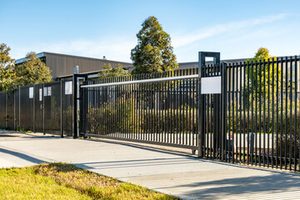
Metal gates and fences are among the most durable and visually appealing additions to residential, commercial, and industrial properties. They provide security, privacy, boundary definition, and architectural appeal while often serving as some of the first features visitors notice when approaching a property. Whether designed with sleek modern lines or intricate decorative details, Metal Fabrication Boise ID gates and fences offer long-term value and reliable performance when properly maintained.

Despite their strength and durability, metal structures are not entirely maintenance-free. Constant exposure to sunlight, rain, humidity, temperature fluctuations, dirt, and environmental pollutants can gradually affect their appearance and structural integrity. Without routine care, minor issues such as rust, corrosion, loose hardware, fading finishes, and mechanical wear can develop into more significant problems requiring costly repairs or replacements.

metal gate fence

The good news is that regular maintenance can significantly extend the lifespan of metal gates and fences while preserving their appearance and functionality. By adopting a proactive approach, property owners can protect their investment, reduce long-term expenses, and ensure that their metal structures continue to perform effectively for years to come.

Why Metal Gate and Fence Maintenance Matters

Many property owners assume that metal gates and fences require little attention because they are built from strong materials designed to withstand harsh conditions. While metal is exceptionally durable, environmental exposure can gradually take a toll on even the highest-quality installations.

Moisture, airborne contaminants, dust, and temperature changes all contribute to wear over time. Small areas of damage can spread if left untreated, potentially affecting both appearance and structural stability.

Routine maintenance provides several important benefits:

  1. Extends the lifespan of the structure.
  2. Preserves curb appeal.
  3. Prevents rust and corrosion.
  4. Reduces repair costs.
  5. Maintains security and functionality.
  6. Protects property value.

Regular care helps ensure that gates and fences continue to provide both aesthetic and practical benefits throughout their service life.

Understanding Common Causes of Metal Deterioration

Before creating an effective maintenance plan, it is important to understand the factors that commonly affect metal gates and fences. Most forms of deterioration occur gradually, often starting with minor surface issues that become more severe over time.

Common causes of damage include:

  1. Moisture exposure.
  2. Humidity and condensation.
  3. Dirt and debris accumulation.
  4. Environmental pollutants.
  5. Surface scratches and chips.
  6. Salt and chemical exposure.
  7. Mechanical wear from moving components.

Recognizing these factors allows property owners to address potential issues before they escalate into major concerns.

Perform Regular Visual Inspections

One of the simplest yet most effective maintenance practices is conducting routine visual inspections. Regular inspections allow property owners to identify developing problems early and take corrective action before significant damage occurs.

During an inspection, carefully examine the entire gate and fence system, including posts, panels, hinges, latches, fasteners, and decorative elements.

Pay particular attention to:

  1. Rust formation.
  2. Paint damage.
  3. Surface scratches.
  4. Loose hardware.
  5. Bent or damaged sections.
  6. Signs of corrosion.
  7. Structural movement.

Early detection often results in easier and less expensive repairs.

Keep Metal Surfaces Clean

Dirt, dust, pollen, and environmental contaminants can accumulate on metal surfaces over time. While these substances may seem harmless, they can trap moisture and accelerate deterioration if left unchecked.

Routine cleaning helps remove potentially harmful buildup and preserves the appearance of the gate or fence. In many cases, simple cleaning with mild soap and water is sufficient to maintain surface condition.

Cleaning benefits include:

  1. Removal of contaminants.
  2. Reduced moisture retention.
  3. Improved appearance.
  4. Easier identification of damage.
  5. Extended finish life.

Consistent cleaning is one of the easiest ways to protect metal surfaces and maintain their visual appeal.

Address Rust Immediately

Rust is one of the most common threats to metal gates and fences. It develops when metal is exposed to oxygen and moisture over extended periods. If ignored, rust can spread beneath protective coatings and compromise structural integrity.

Small rust spots are much easier to repair than extensive corrosion. Property owners should inspect surfaces regularly and address rust as soon as it appears.

Basic rust management typically involves:

  1. Removing loose corrosion.
  2. Cleaning the affected area.
  3. Applying protective treatments.
  4. Repainting or refinishing as needed.
  5. Monitoring for recurrence.

Prompt action prevents minor corrosion from becoming a larger problem.

Protect the Finish and Coating

Protective coatings serve as the first line of defense against environmental exposure. Paint, powder coatings, and specialized finishes help shield metal surfaces from moisture, sunlight, and contaminants.

Over time, these coatings may experience wear due to weather conditions and everyday use. Chips, scratches, and fading can expose underlying metal to the elements.

To maintain protective finishes:

  1. Repair damaged areas promptly.
  2. Touch up scratches and chips.
  3. Monitor for peeling or cracking.
  4. Clean surfaces regularly.
  5. Reapply protective coatings when necessary.

Maintaining surface protection significantly reduces the likelihood of corrosion and deterioration.

Lubricate Moving Components

Metal gates often contain moving parts that require periodic lubrication to operate smoothly. Hinges, rollers, latches, locks, and other mechanical components experience friction during normal use.

Without proper lubrication, these parts may become difficult to operate and may wear prematurely.

Components that commonly benefit from lubrication include:

  1. Hinges.
  2. Latches.
  3. Lock mechanisms.
  4. Rollers.
  5. Sliding gate tracks.
  6. Pivot points.

Regular lubrication helps reduce friction, improve performance, and extend component lifespan.

Monitor Gate Alignment

Gate alignment plays a critical role in both functionality and longevity. Over time, gates may shift due to ground movement, frequent use, or structural settling. Misalignment can place additional stress on hinges, posts, and hardware.

Signs of alignment issues include:

  1. Difficulty opening or closing.
  2. Uneven gaps.
  3. Dragging against the ground.
  4. Excessive strain on hardware.
  5. Unusual noises during operation.

Addressing alignment problems early helps prevent further wear and protects the overall gate system.

Prevent Vegetation from Causing Damage

Landscaping can enhance the appearance of a property, but vegetation growing too close to metal fences and gates may contribute to maintenance issues.

Plants can trap moisture against metal surfaces, increasing the risk of corrosion. Roots may also affect structural stability in some situations.

To reduce vegetation-related concerns:

  1. Trim plants regularly.
  2. Maintain adequate clearance.
  3. Remove vines from metal surfaces.
  4. Prevent moisture accumulation.
  5. Monitor root growth near support posts.

Proper landscape management helps support long-term fence and gate performance.

Inspect Hardware and Fasteners

The strength and stability of metal gates and fences depend on the condition of their hardware. Bolts, screws, brackets, hinges, and other fastening components can loosen over time due to vibration, weather exposure, and regular use.

Routine hardware inspections help ensure that all components remain secure.

Maintenance tasks may include:

  1. Tightening loose fasteners.
  2. Replacing damaged hardware.
  3. Checking bracket integrity.
  4. Monitoring hinge performance.
  5. Verifying latch operation.

Well-maintained hardware contributes to overall structural reliability and safety.

Prepare for Seasonal Weather Conditions

Different weather conditions can create unique maintenance challenges throughout the year. Seasonal inspections allow property owners to identify vulnerabilities and prepare gates and fences for changing environmental conditions.

Seasonal maintenance considerations may include:

  1. Removing accumulated debris.
  2. Inspecting protective coatings.
  3. Addressing moisture-related concerns.
  4. Checking moving components.
  5. Evaluating structural stability.

Adapting maintenance efforts to seasonal conditions helps minimize weather-related wear and prolong service life.

Consider Professional Maintenance Services

While many maintenance tasks can be performed independently, professional inspections and maintenance services offer additional expertise. Professionals can identify hidden issues, recommend preventative measures, and perform repairs that require specialized knowledge or equipment.

Professional assistance may be particularly beneficial for:

  1. Extensive corrosion repairs.
  2. Structural evaluations.
  3. Gate automation systems.
  4. Large-scale refinishing projects.
  5. Complex mechanical adjustments.

Combining routine homeowner maintenance with periodic professional assessments often provides the best long-term results.

Long-Term Benefits of Consistent Maintenance

Some property owners postpone maintenance until visible problems appear. However, preventive care is typically far more cost-effective than reactive repairs.

Long-term benefits of consistent maintenance include:

  1. Reduced repair expenses.
  2. Extended lifespan.
  3. Improved appearance.
  4. Enhanced security.
  5. Better functionality.
  6. Increased property value.

Small maintenance efforts performed regularly can significantly reduce the likelihood of major future issues.

Creating a Maintenance Schedule

One of the most effective ways to ensure consistent care is to establish a maintenance schedule. Rather than relying on occasional inspections, a structured plan helps property owners stay proactive.

A basic maintenance schedule may include:

  1. Monthly visual inspections.
  2. Quarterly cleaning.
  3. Semi-annual hardware checks.
  4. Annual coating evaluations.
  5. Periodic professional assessments.

Consistency is often the key to maximizing durability and preserving performance.

Metal gates and fences are valuable property features that combine security, functionality, and visual appeal. While they are designed for durability, regular maintenance remains essential for protecting their appearance and structural integrity over time.

By conducting routine inspections, cleaning surfaces, addressing rust promptly, maintaining protective coatings, lubricating moving parts, and monitoring hardware condition, property owners can significantly extend the lifespan of their metal installations. These simple yet effective maintenance practices help prevent costly repairs while ensuring that gates and fences continue to perform reliably.

A proactive maintenance approach not only preserves the investment but also enhances curb appeal, supports property value, and ensures long-term peace of mind. With proper care and attention, metal gates and fences can remain strong, attractive, and functional for many years to come.

Air Duct Cleaning vs HVAC Maintenance: What Property Owners Should Know

In modern residential and commercial buildings, heating, ventilation, and air conditioning systems play a central role in maintaining indoor comfort, air quality, and energy efficiency. However, many property owners often confuse air duct cleaning with HVAC maintenance, assuming they are the same service or that one replaces the other. In reality, these are two distinct but interconnected services that serve different purposes within a building’s overall air system. Understanding the differences between air duct cleaning and HVAC maintenance is essential for ensuring system efficiency, improving indoor air quality, reducing energy consumption, and extending the lifespan of HVAC equipment.

air duct cleaning

While both services contribute to a healthier and more efficient indoor environment, they focus on different components and issues. Air Duct Cleaning Salt Lake City primarily targets the network of ducts that distribute air throughout a building, removing dust, debris, and contaminants that accumulate over time. HVAC maintenance, on the other hand, involves inspecting, servicing, and repairing the mechanical components of the heating and cooling system itself. Knowing when and why to use each service helps property owners make informed decisions and avoid unnecessary expenses or system failures.

Understanding Air Duct Cleaning

Air duct cleaning refers to the process of removing accumulated dust, dirt, allergens, and other contaminants from the ductwork that circulates air throughout a property. Over time, air ducts can collect a significant amount of debris, especially in environments where ventilation systems operate continuously or where indoor air quality is affected by pets, smoking, construction, or high foot traffic.

The primary goal of air duct cleaning is to improve the cleanliness of the air being circulated. When ducts become clogged or heavily contaminated, they can contribute to poor indoor air quality and reduce airflow efficiency. In some cases, contaminants such as mold spores, bacteria, and allergens may be distributed throughout the building, potentially affecting occupant health and comfort.

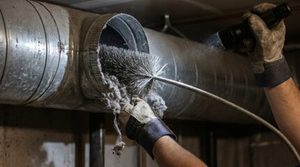
Air duct cleaning typically involves specialized equipment such as high-powered vacuums, rotary brushes, and air compressors designed to dislodge and extract debris from within the duct system. This process focuses specifically on the air distribution network rather than the mechanical components of the HVAC system.

Understanding HVAC Maintenance

HVAC maintenance is a broader and more comprehensive service that focuses on the heating, ventilation, and air conditioning system as a whole. Unlike air duct cleaning, HVAC maintenance involves inspecting and servicing the mechanical components that regulate temperature, airflow, and system performance.

A typical HVAC maintenance service includes checking the furnace or air handler, inspecting the air conditioning unit, evaluating refrigerant levels, testing electrical connections, lubricating moving parts, and replacing or cleaning filters. The goal is to ensure that the system operates efficiently, safely, and reliably throughout its service life.

Regular HVAC maintenance helps identify potential issues before they become major problems. For example, a worn-out component or refrigerant leak can be detected early during routine inspections, preventing system breakdowns and costly repairs. Proper maintenance also helps optimize energy efficiency, reducing utility costs over time.

Key Differences Between Air Duct Cleaning and HVAC Maintenance

Although air duct cleaning and HVAC maintenance are both important for maintaining indoor comfort and air quality, they serve different purposes and address different parts of the system. Confusing the two can lead to incomplete servicing and overlooked issues that affect performance.

The main differences include:

  1. Air duct cleaning focuses on cleaning the air distribution pathways, while HVAC maintenance focuses on mechanical system performance.
  2. Duct cleaning targets dust, debris, and contaminants inside ducts, whereas HVAC maintenance addresses equipment functionality and efficiency.
  3. Air duct cleaning is primarily related to air quality, while HVAC maintenance is primarily related to system reliability and energy efficiency.
  4. HVAC maintenance includes inspection and repair of components such as compressors, coils, and motors, which are not part of duct cleaning.
  5. Air duct cleaning is typically performed less frequently than HVAC maintenance, depending on environmental conditions and system usage.

Understanding these distinctions helps property owners avoid the mistake of assuming one service replaces the other. In reality, both services complement each other and contribute to a healthier, more efficient indoor environment.

When Air Duct Cleaning Becomes Necessary

Air duct cleaning is not always required on a fixed schedule, but there are certain conditions where it becomes highly beneficial or necessary. Over time, ducts can accumulate contaminants that affect both air quality and system performance. In some cases, visible signs or health symptoms may indicate that duct cleaning is needed.

Common situations that may require air duct cleaning include:

  1. Visible dust or debris blowing from air vents.
  2. Persistent musty or unpleasant odors when the HVAC system is running.
  3. Evidence of mold growth inside ductwork or near vents.
  4. Recent renovations or construction work that generated dust and particles.
  5. Increased allergy or respiratory symptoms among occupants.

In such cases, cleaning the duct system can help restore cleaner airflow and reduce the circulation of airborne contaminants. However, it is important to ensure that duct cleaning is performed properly using appropriate equipment and techniques, as improper cleaning can disturb contaminants without fully removing them.

When HVAC Maintenance Is Essential

HVAC maintenance is a routine requirement for ensuring long-term system performance and reliability. Unlike air duct cleaning, which is typically performed as needed, HVAC maintenance should be conducted regularly to prevent system deterioration and unexpected failures.

Signs that HVAC maintenance may be needed include inconsistent temperatures, unusual noises, reduced airflow, higher energy bills, or frequent system cycling. However, even in the absence of visible issues, routine maintenance is still necessary to keep the system operating efficiently.

A standard HVAC maintenance schedule often includes seasonal inspections, especially before periods of heavy heating or cooling use. This ensures that the system is prepared to handle increased demand without failure or reduced efficiency.

The Relationship Between Air Duct Cleaning and HVAC Maintenance

Although air duct cleaning and HVAC maintenance are separate services, they are closely connected. A well-maintained HVAC system performs more efficiently when airflow pathways are clean, and clean ducts support better air distribution throughout the building.

In many cases, combining both services provides the best results. For example, if an HVAC system is operating efficiently but airflow feels weak or uneven, dirty ducts may be restricting circulation. Conversely, if ducts are clean but the system is malfunctioning, mechanical issues within the HVAC unit may be the root cause.

Together, these services contribute to:

  1. Improved indoor air quality.
  2. Enhanced system efficiency.
  3. Reduced energy consumption.
  4. Extended equipment lifespan.
  5. Greater overall comfort and reliability.

Property owners who invest in both services strategically often experience fewer breakdowns and better long-term system performance.

Impact on Indoor Air Quality and Health

Indoor air quality is a major concern for both residential and commercial environments. Dust, allergens, mold spores, and other airborne particles can accumulate in HVAC systems and ductwork, circulating throughout the building and affecting occupant health.

Air duct cleaning directly addresses contaminants inside the duct system, while HVAC maintenance ensures that filters, coils, and other components are functioning properly to support clean airflow. Together, they play a significant role in reducing airborne pollutants and improving respiratory comfort.

For households with children, elderly individuals, or people with allergies or asthma, maintaining clean ducts and properly serviced HVAC systems can make a noticeable difference in overall well-being.

Energy Efficiency Considerations

Energy efficiency is another important factor when comparing air duct cleaning and HVAC maintenance. A poorly maintained HVAC system or a clogged duct network can both lead to increased energy consumption. When airflow is restricted or components are not functioning optimally, the system must work harder to maintain desired temperatures.

HVAC maintenance directly improves efficiency by ensuring that all mechanical components operate correctly. Clean filters, properly charged refrigerant levels, and well-lubricated parts all contribute to reduced energy usage. Air duct cleaning supports efficiency by ensuring that air flows freely through the system without obstruction.

Together, these services help reduce strain on the system and lower energy costs over time.

Conclusion

Air duct cleaning and HVAC maintenance are both essential services, but they serve different purposes within a building’s air system. Air duct cleaning focuses on removing contaminants from the air distribution network, improving indoor air quality and airflow. HVAC maintenance focuses on the mechanical performance of the heating and cooling system, ensuring efficiency, reliability, and long-term functionality.

For property owners, understanding the difference between these services is key to maintaining a healthy, comfortable, and energy-efficient indoor environment. Rather than choosing one over the other, the most effective approach is to view them as complementary services that work together to optimize overall system performance.

By investing in both air duct cleaning and regular HVAC maintenance, property owners can improve air quality, reduce energy costs, extend system lifespan, and ensure consistent comfort throughout the year.

Common Room Addition Mistakes to Avoid

Adding a new room to a home is one of the most effective ways to increase living space, improve functionality, and boost property value. Whether the goal is to create an extra bedroom, expand a kitchen, build a home office, or add a family lounge, a room addition represents a significant investment in both time and money. However, it is also one of the most complex types of home improvement projects, and mistakes during planning or construction can lead to serious consequences such as budget overruns, structural issues, and long-term usability problems. Understanding the most common mistakes in room additions is essential for ensuring a smooth process and a successful outcome.

One of the most frequent mistakes homeowners make is starting a room addition without a clearly defined purpose. It may seem obvious to “add more space,” but without a specific function in mind, the design process becomes unfocused and inefficient. A room intended for general use often ends up poorly optimized, with unclear layout decisions and wasted square footage. Every successful Room Additions Lexington KY begins with a clear understanding of how the space will be used daily. For example, a guest room has different requirements than a home office or entertainment area, and these functional differences must guide all design and construction decisions from the beginning.

room additions

Another major mistake is underestimating the importance of budgeting and cost planning. Room additions involve far more than just building walls and adding flooring. They often require foundation work, roofing extensions, electrical systems, plumbing modifications, insulation, and interior finishing. Many homeowners focus only on visible construction costs and overlook hidden expenses such as permits, inspections, material upgrades, and unexpected structural repairs. Without a realistic budget that includes contingency funds, projects can quickly stall or result in compromised quality. A well-planned budget should account for both expected and unforeseen costs to maintain financial stability throughout the project.

Poor site planning and layout integration are other critical issue that often leads to disappointing results. A room addition should not feel like an isolated structure attached to the home; it should blend seamlessly with the existing layout. When transitions between old and new spaces are poorly designed, the addition can feel disconnected or awkward. This includes mismatched flooring levels, inconsistent ceiling heights, or poorly aligned entry points. Proper planning ensures that the new room enhances the overall flow of the home rather than disrupting it. Architectural harmony is just as important as functionality when designing an addition.

To better understand common planning pitfalls, it is helpful to break them down into key categories:

  1. Lack of defined purpose, leading to inefficient layout and underutilized space.
  2. Inadequate budgeting, which fails to account for hidden or structural costs.
  3. Poor integration with existing structure, resulting in awkward transitions and design inconsistency.
  4. Overlooking long-term use, such as changing family needs or future flexibility.

Each of these mistakes can significantly reduce the value and functionality of a room addition if not addressed early in the planning phase.

Another common error involves ignoring structural limitations and engineering requirements. Every home has load-bearing walls, foundation constraints, and roofing systems that must be considered before expanding. Attempting to modify or extend a structure without proper evaluation can lead to serious safety risks and costly corrections later. For example, adding a second story or extending outward may require reinforcement of the foundation or existing framing. Professional structural assessment is essential to ensure that the addition is safe, stable, and compliant with building standards.

Improper permitting and lack of regulatory compliance is another mistake that can create long-term complications. Room additions typically require permits and inspections to ensure that construction meets safety and zoning standards. Skipping this step or failing to follow proper approval processes can result in fines, forced modifications, or difficulties when selling the property in the future. Compliance is not just a legal requirement; it also ensures that the addition is built to safe and reliable standards. Proper documentation and inspection processes protect both the homeowner and the structural integrity of the home.

Design mistakes also play a significant role in unsuccessful room additions. One of the most common issues is poor natural lighting. A newly added room that lacks sufficient windows or light sources can feel enclosed and uninviting, regardless of its size. Similarly, improper ventilation can lead to discomfort and long-term air quality issues. These design elements must be considered early in the planning stage rather than treated as afterthoughts. The placement of windows, doors, and lighting fixtures should be carefully designed to enhance both functionality and comfort.

Material selection is another area where mistakes frequently occur. Using materials that do not match the existing home can create visual inconsistency, while choosing low-quality materials can lead to durability issues. Room additions should use materials that not only complement the existing structure but also perform well under expected conditions. For example, flooring should transition smoothly between old and new spaces, and exterior finishes should match or harmonize with the original building. Durability, maintenance, and aesthetic compatibility must all be considered when selecting materials.

To further highlight design-related mistakes, consider these key issues:

  1. Poor lighting design, resulting in dark or unevenly lit spaces.
  2. Inadequate ventilation, leading to moisture buildup or discomfort.
  3. Inconsistent materials, creating visual imbalance between old and new areas.
  4. Overcomplicated layouts that reduce usability and create wasted space.

These issues can significantly affect how the new space feels and functions once construction is complete.

Another major mistake is failing to consider future needs. A room addition is a long-term investment, and designing solely for current circumstances can limit its usefulness over time. For example, a nursery designed for a young child may need to evolve into a study or bedroom later. Similarly, a home office may need to accommodate changing work habits or technology. Flexible design solutions, such as adaptable layouts or multi-purpose spaces, help ensure that the addition remains functional as needs evolve. Thinking long-term reduces the risk of future renovations or modifications.

Communication issues between homeowners and contractors can also lead to significant problems. Misunderstandings about design expectations, material choices, or construction timelines can result in delays and dissatisfaction with the final outcome. Clear documentation, detailed plans, and regular updates are essential for maintaining alignment throughout the project. When communication breaks down, even well-planned projects can deviate from their original intent.

Another often overlooked mistake is neglecting energy efficiency during construction. Room additions can significantly impact a home’s heating, cooling, and overall energy consumption. Without proper insulation, window selection, and HVAC integration, the new space may become inefficient and expensive to maintain. Energy-efficient design not only reduces long-term costs but also improves comfort and sustainability. This includes proper sealing, insulation materials, and strategic placement of windows to optimize natural temperature control.

Construction sequencing errors are also common in poorly managed room additions. The order in which tasks are completed—such as foundation work, framing, roofing, electrical installation, and finishing—must follow a logical progression. When sequencing is disrupted, it can lead to rework, delays, and unnecessary expenses. Proper project management ensures that each phase is completed correctly before moving on to the next, reducing the risk of structural or functional issues later.

In conclusion, room additions offer a powerful way to enhance living space and improve property value, but only when executed with careful planning and attention to detail. Avoiding common mistakes such as unclear purpose, poor budgeting, structural oversight, design inconsistencies, and communication breakdowns is essential for achieving a successful outcome. A well-designed room addition should feel like a natural extension of the home, both visually and functionally, while meeting long-term needs and maintaining structural integrity. With thoughtful planning and disciplined execution, homeowners can avoid costly errors and create a space that adds lasting value and comfort to the home.

Navigation