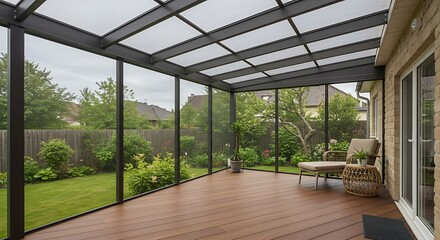
Adding a new room to a home is an exciting project that can dramatically improve comfort, functionality, and property value. Whether the goal is to create an extra bedroom, expand a kitchen, add a home office, or build a family room, a well-planned Room Additions Lexington KY can transform how a home is used. However, room additions are complex construction projects, and mistakes made during planning or execution can lead to costly delays, structural issues, and long term dissatisfaction.
Understanding the most common room addition mistakes helps homeowners avoid problems and achieve results that feel seamless, durable, and worthwhile.
Skipping Proper Planning and Clear Goals
One of the most common mistakes homeowners make is starting a room addition without clearly defining its purpose. A vague idea of needing “more space” is not enough to guide design decisions, layout, or budgeting. Without clear goals, additions may end up awkward, inefficient, or poorly suited to long term needs.
Proper planning starts with understanding how the new space will be used both now and in the future. Considerations such as furniture placement, storage needs, natural light, privacy, and traffic flow should be addressed early. Failing to plan these details can result in a room that looks fine but does not function well in daily life.
Clear planning also includes setting realistic expectations for size, timeline, and cost. Rushing into construction without a detailed plan often leads to changes mid project, which are one of the biggest sources of delays and budget overruns.
Underestimating the True Cost of a Room Addition
Budgeting mistakes are extremely common in room addition projects. Many homeowners focus only on visible construction costs and underestimate the full scope of expenses involved. In reality, room additions often include costs for design, permits, foundation work, framing, roofing, electrical, plumbing, HVAC integration, insulation, drywall, flooring, and finishing.
Unexpected issues such as poor soil conditions, outdated wiring, or structural upgrades can also increase costs once construction begins. Homeowners who fail to build a contingency into their budget may find themselves forced to cut corners or pause the project.
A realistic budget should include a buffer for unforeseen expenses and allow flexibility for material choices. Working with professionals during the planning phase helps create accurate estimates and reduces the risk of financial surprises.
Ignoring Local Building Codes and Permit Requirements
Another major mistake is failing to understand or follow local building codes and permit requirements. Room additions almost always require permits, inspections, and compliance with zoning regulations. Skipping this step can result in fines, forced changes, or even demolition of unapproved work.
Building codes exist to ensure safety, structural integrity, and proper installation of systems such as electrical and plumbing. Zoning rules may limit how close an addition can be to property lines or how large it can be relative to the existing home.
Attempting to bypass permits to save time or money often backfires. Unpermitted additions can cause serious issues when selling the home, refinancing, or filing insurance claims. Ensuring all approvals are in place before construction begins protects both the homeowner and the investment.
Choosing the Wrong Location for the Addition
The placement of a room addition has a significant impact on usability, aesthetics, and cost. A common mistake is choosing a location based solely on convenience without considering how it affects the rest of the home.
Poorly placed additions can disrupt natural light, block views, or create awkward interior layouts. Exterior appearance is also important. An addition that does not blend with the existing structure can look like an afterthought and reduce curb appeal.
Practical considerations such as access to plumbing, electrical systems, and HVAC also affect placement. Locating an addition far from existing systems may significantly increase construction costs. Careful site evaluation ensures the addition integrates smoothly with both the home and the property.
Failing to Match the Existing Home’s Design
One of the most noticeable mistakes in room additions is poor design integration. An addition that does not match the architectural style, roofline, materials, or proportions of the existing home can look out of place.
Interior mismatches can be just as problematic. Differences in ceiling height, trim style, flooring, or door placement can make the new room feel disconnected. These inconsistencies often reduce the overall appeal of the home rather than enhancing it.
Successful room additions feel like they were always part of the original structure. Achieving this requires thoughtful design, careful material selection, and attention to detail. Skipping this step can lead to regret even if the addition itself is well built.
Overlooking Structural and Foundation Requirements
Some homeowners assume that room additions are simple extensions of existing space, but structural considerations are critical. The foundation must be designed to support the new load, and existing structures may need reinforcement.
Inadequate foundation work can lead to settling, cracks, and long term structural issues. Similarly, failing to properly connect framing elements can compromise the stability of both the addition and the original home.
Structural mistakes are often hidden at first but become expensive problems over time. Professional evaluation ensures that foundations, load bearing walls, and framing systems are designed correctly from the start.
Neglecting HVAC, Electrical, and Plumbing Integration
Mechanical systems are often overlooked during early planning, leading to major issues later. A common mistake is assuming the existing HVAC system can easily handle the additional space without evaluation.
An undersized HVAC system may struggle to maintain comfortable temperatures in the new room, leading to uneven heating and cooling throughout the home. Electrical systems may also need upgrades to support additional outlets, lighting, and appliances. Plumbing additions require careful planning to ensure proper water pressure and drainage.
Integrating these systems properly from the beginning ensures comfort, safety, and efficiency. Trying to address them as an afterthought often results in higher costs and compromised performance.
Cutting Corners on Materials or Labor
In an effort to save money, some homeowners choose lower quality materials or inexperienced labor. While this may reduce upfront costs, it often leads to higher expenses over time due to repairs, replacements, or poor performance.
Inferior materials may not withstand weather exposure, daily use, or structural stress. Poor workmanship can result in uneven surfaces, leaks, electrical issues, or code violations.
A room addition is a permanent part of the home. Investing in quality materials and skilled professionals ensures durability, safety, and long term satisfaction. Cutting corners rarely pays off in the long run.
Poor Communication With Contractors
Miscommunication between homeowners and contractors is a frequent source of frustration and mistakes. Without clear communication, expectations about scope, timeline, materials, and costs may not align.
Changes made verbally without documentation can lead to disputes or misunderstandings. Homeowners may assume certain features are included when they are not, or contractors may proceed without full clarity on preferences.
Regular communication, written agreements, and detailed plans help keep everyone aligned. Asking questions, reviewing progress, and addressing concerns early prevents small issues from becoming major problems.
Ignoring Future Needs and Resale Value
Focusing only on immediate needs is another common mistake. While it is important that the addition serves current purposes, it should also consider future flexibility and resale value.
Highly specialized spaces may limit appeal to future buyers. Poor layout or design choices may reduce overall functionality as needs change. An addition that overwhelms the lot or disrupts flow may negatively affect resale.
Designing with flexibility in mind helps ensure the addition remains valuable over time. Thoughtful planning balances personal preferences with broader market appeal.
Underestimating Timeline and Disruption
Room additions take time, and underestimating the construction timeline is a common error. Delays can occur due to weather, inspections, material availability, or unexpected issues uncovered during construction.
Homeowners who do not prepare for extended disruption may experience stress and inconvenience. Noise, dust, limited access to certain areas, and temporary utility interruptions are part of many addition projects.
Realistic scheduling and preparation help manage expectations. Understanding that quality work takes time reduces frustration and helps the project progress more smoothly.
Skipping Professional Design and Engineering Support
Some homeowners attempt to design room additions without professional input to save money. While this may work for very small projects, it often leads to design flaws, code issues, or inefficient use of space.
Architects, designers, and engineers bring valuable expertise in layout, structure, and compliance. Their involvement helps avoid costly mistakes and ensures the addition is both functional and safe.
Professional design support often saves money in the long run by reducing changes, delays, and rework during construction.
Final Thoughts on Avoiding Room Addition Mistakes
Room additions can significantly enhance a home when done correctly, but mistakes can quickly turn a dream project into a stressful experience. Common errors such as poor planning, underestimating costs, ignoring codes, and cutting corners are largely preventable with the right approach.
Clear goals, realistic budgeting, professional guidance, and thoughtful design integration are the foundation of a successful room addition. By understanding and avoiding these common mistakes, homeowners can create spaces that feel natural, functional, and valuable for years to come.
A well executed room addition is not just about adding square footage. It is about improving how a home works and feels, while protecting the investment and ensuring long term satisfaction.