Metal gates and fences are among the most durable and visually appealing additions to residential, commercial, and industrial properties. They provide security, privacy, boundary definition, and architectural appeal while often serving as some of the first features visitors notice when approaching a property. Whether designed with sleek modern lines or intricate decorative details, Metal Fabrication Boise ID gates and fences offer long-term value and reliable performance when properly maintained.
Despite their strength and durability, metal structures are not entirely maintenance-free. Constant exposure to sunlight, rain, humidity, temperature fluctuations, dirt, and environmental pollutants can gradually affect their appearance and structural integrity. Without routine care, minor issues such as rust, corrosion, loose hardware, fading finishes, and mechanical wear can develop into more significant problems requiring costly repairs or replacements.
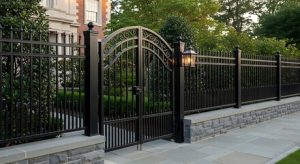
The good news is that regular maintenance can significantly extend the lifespan of metal gates and fences while preserving their appearance and functionality. By adopting a proactive approach, property owners can protect their investment, reduce long-term expenses, and ensure that their metal structures continue to perform effectively for years to come.
Why Metal Gate and Fence Maintenance Matters
Many property owners assume that metal gates and fences require little attention because they are built from strong materials designed to withstand harsh conditions. While metal is exceptionally durable, environmental exposure can gradually take a toll on even the highest-quality installations.
Moisture, airborne contaminants, dust, and temperature changes all contribute to wear over time. Small areas of damage can spread if left untreated, potentially affecting both appearance and structural stability.
Routine maintenance provides several important benefits:
- Extends the lifespan of the structure.
- Preserves curb appeal.
- Prevents rust and corrosion.
- Reduces repair costs.
- Maintains security and functionality.
- Protects property value.
Regular care helps ensure that gates and fences continue to provide both aesthetic and practical benefits throughout their service life.
Understanding Common Causes of Metal Deterioration
Before creating an effective maintenance plan, it is important to understand the factors that commonly affect metal gates and fences. Most forms of deterioration occur gradually, often starting with minor surface issues that become more severe over time.
Common causes of damage include:
- Moisture exposure.
- Humidity and condensation.
- Dirt and debris accumulation.
- Environmental pollutants.
- Surface scratches and chips.
- Salt and chemical exposure.
- Mechanical wear from moving components.
Recognizing these factors allows property owners to address potential issues before they escalate into major concerns.
Perform Regular Visual Inspections
One of the simplest yet most effective maintenance practices is conducting routine visual inspections. Regular inspections allow property owners to identify developing problems early and take corrective action before significant damage occurs.
During an inspection, carefully examine the entire gate and fence system, including posts, panels, hinges, latches, fasteners, and decorative elements.
Pay particular attention to:
- Rust formation.
- Paint damage.
- Surface scratches.
- Loose hardware.
- Bent or damaged sections.
- Signs of corrosion.
- Structural movement.
Early detection often results in easier and less expensive repairs.
Keep Metal Surfaces Clean
Dirt, dust, pollen, and environmental contaminants can accumulate on metal surfaces over time. While these substances may seem harmless, they can trap moisture and accelerate deterioration if left unchecked.
Routine cleaning helps remove potentially harmful buildup and preserves the appearance of the gate or fence. In many cases, simple cleaning with mild soap and water is sufficient to maintain surface condition.
Cleaning benefits include:
- Removal of contaminants.
- Reduced moisture retention.
- Improved appearance.
- Easier identification of damage.
- Extended finish life.
Consistent cleaning is one of the easiest ways to protect metal surfaces and maintain their visual appeal.
Address Rust Immediately
Rust is one of the most common threats to metal gates and fences. It develops when metal is exposed to oxygen and moisture over extended periods. If ignored, rust can spread beneath protective coatings and compromise structural integrity.
Small rust spots are much easier to repair than extensive corrosion. Property owners should inspect surfaces regularly and address rust as soon as it appears.
Basic rust management typically involves:
- Removing loose corrosion.
- Cleaning the affected area.
- Applying protective treatments.
- Repainting or refinishing as needed.
- Monitoring for recurrence.
Prompt action prevents minor corrosion from becoming a larger problem.
Protect the Finish and Coating
Protective coatings serve as the first line of defense against environmental exposure. Paint, powder coatings, and specialized finishes help shield metal surfaces from moisture, sunlight, and contaminants.
Over time, these coatings may experience wear due to weather conditions and everyday use. Chips, scratches, and fading can expose underlying metal to the elements.
To maintain protective finishes:
- Repair damaged areas promptly.
- Touch up scratches and chips.
- Monitor for peeling or cracking.
- Clean surfaces regularly.
- Reapply protective coatings when necessary.
Maintaining surface protection significantly reduces the likelihood of corrosion and deterioration.
Lubricate Moving Components
Metal gates often contain moving parts that require periodic lubrication to operate smoothly. Hinges, rollers, latches, locks, and other mechanical components experience friction during normal use.
Without proper lubrication, these parts may become difficult to operate and may wear prematurely.
Components that commonly benefit from lubrication include:
- Hinges.
- Latches.
- Lock mechanisms.
- Rollers.
- Sliding gate tracks.
- Pivot points.
Regular lubrication helps reduce friction, improve performance, and extend component lifespan.
Monitor Gate Alignment
Gate alignment plays a critical role in both functionality and longevity. Over time, gates may shift due to ground movement, frequent use, or structural settling. Misalignment can place additional stress on hinges, posts, and hardware.
Signs of alignment issues include:
- Difficulty opening or closing.
- Uneven gaps.
- Dragging against the ground.
- Excessive strain on hardware.
- Unusual noises during operation.
Addressing alignment problems early helps prevent further wear and protects the overall gate system.
Prevent Vegetation from Causing Damage
Landscaping can enhance the appearance of a property, but vegetation growing too close to metal fences and gates may contribute to maintenance issues.
Plants can trap moisture against metal surfaces, increasing the risk of corrosion. Roots may also affect structural stability in some situations.
To reduce vegetation-related concerns:
- Trim plants regularly.
- Maintain adequate clearance.
- Remove vines from metal surfaces.
- Prevent moisture accumulation.
- Monitor root growth near support posts.
Proper landscape management helps support long-term fence and gate performance.
Inspect Hardware and Fasteners
The strength and stability of metal gates and fences depend on the condition of their hardware. Bolts, screws, brackets, hinges, and other fastening components can loosen over time due to vibration, weather exposure, and regular use.
Routine hardware inspections help ensure that all components remain secure.
Maintenance tasks may include:
- Tightening loose fasteners.
- Replacing damaged hardware.
- Checking bracket integrity.
- Monitoring hinge performance.
- Verifying latch operation.
Well-maintained hardware contributes to overall structural reliability and safety.
Prepare for Seasonal Weather Conditions
Different weather conditions can create unique maintenance challenges throughout the year. Seasonal inspections allow property owners to identify vulnerabilities and prepare gates and fences for changing environmental conditions.
Seasonal maintenance considerations may include:
- Removing accumulated debris.
- Inspecting protective coatings.
- Addressing moisture-related concerns.
- Checking moving components.
- Evaluating structural stability.
Adapting maintenance efforts to seasonal conditions helps minimize weather-related wear and prolong service life.
Consider Professional Maintenance Services
While many maintenance tasks can be performed independently, professional inspections and maintenance services offer additional expertise. Professionals can identify hidden issues, recommend preventative measures, and perform repairs that require specialized knowledge or equipment.
Professional assistance may be particularly beneficial for:
- Extensive corrosion repairs.
- Structural evaluations.
- Gate automation systems.
- Large-scale refinishing projects.
- Complex mechanical adjustments.
Combining routine homeowner maintenance with periodic professional assessments often provides the best long-term results.
Long-Term Benefits of Consistent Maintenance
Some property owners postpone maintenance until visible problems appear. However, preventive care is typically far more cost-effective than reactive repairs.
Long-term benefits of consistent maintenance include:
- Reduced repair expenses.
- Extended lifespan.
- Improved appearance.
- Enhanced security.
- Better functionality.
- Increased property value.
Small maintenance efforts performed regularly can significantly reduce the likelihood of major future issues.
Creating a Maintenance Schedule
One of the most effective ways to ensure consistent care is to establish a maintenance schedule. Rather than relying on occasional inspections, a structured plan helps property owners stay proactive.
A basic maintenance schedule may include:
- Monthly visual inspections.
- Quarterly cleaning.
- Semi-annual hardware checks.
- Annual coating evaluations.
- Periodic professional assessments.
Consistency is often the key to maximizing durability and preserving performance.
Metal gates and fences are valuable property features that combine security, functionality, and visual appeal. While they are designed for durability, regular maintenance remains essential for protecting their appearance and structural integrity over time.
By conducting routine inspections, cleaning surfaces, addressing rust promptly, maintaining protective coatings, lubricating moving parts, and monitoring hardware condition, property owners can significantly extend the lifespan of their metal installations. These simple yet effective maintenance practices help prevent costly repairs while ensuring that gates and fences continue to perform reliably.
A proactive maintenance approach not only preserves the investment but also enhances curb appeal, supports property value, and ensures long-term peace of mind. With proper care and attention, metal gates and fences can remain strong, attractive, and functional for many years to come.