Adding a new room to a home is one of the most effective ways to increase living space, improve functionality, and boost property value. Whether the goal is to create an extra bedroom, expand a kitchen, build a home office, or add a family lounge, a room addition represents a significant investment in both time and money. However, it is also one of the most complex types of home improvement projects, and mistakes during planning or construction can lead to serious consequences such as budget overruns, structural issues, and long-term usability problems. Understanding the most common mistakes in room additions is essential for ensuring a smooth process and a successful outcome.
One of the most frequent mistakes homeowners make is starting a room addition without a clearly defined purpose. It may seem obvious to “add more space,” but without a specific function in mind, the design process becomes unfocused and inefficient. A room intended for general use often ends up poorly optimized, with unclear layout decisions and wasted square footage. Every successful Room Additions Lexington KY begins with a clear understanding of how the space will be used daily. For example, a guest room has different requirements than a home office or entertainment area, and these functional differences must guide all design and construction decisions from the beginning.
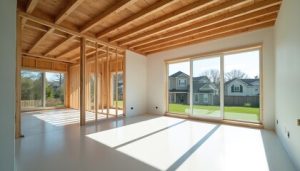
Another major mistake is underestimating the importance of budgeting and cost planning. Room additions involve far more than just building walls and adding flooring. They often require foundation work, roofing extensions, electrical systems, plumbing modifications, insulation, and interior finishing. Many homeowners focus only on visible construction costs and overlook hidden expenses such as permits, inspections, material upgrades, and unexpected structural repairs. Without a realistic budget that includes contingency funds, projects can quickly stall or result in compromised quality. A well-planned budget should account for both expected and unforeseen costs to maintain financial stability throughout the project.
Poor site planning and layout integration are other critical issue that often leads to disappointing results. A room addition should not feel like an isolated structure attached to the home; it should blend seamlessly with the existing layout. When transitions between old and new spaces are poorly designed, the addition can feel disconnected or awkward. This includes mismatched flooring levels, inconsistent ceiling heights, or poorly aligned entry points. Proper planning ensures that the new room enhances the overall flow of the home rather than disrupting it. Architectural harmony is just as important as functionality when designing an addition.
To better understand common planning pitfalls, it is helpful to break them down into key categories:
- Lack of defined purpose, leading to inefficient layout and underutilized space.
- Inadequate budgeting, which fails to account for hidden or structural costs.
- Poor integration with existing structure, resulting in awkward transitions and design inconsistency.
- Overlooking long-term use, such as changing family needs or future flexibility.
Each of these mistakes can significantly reduce the value and functionality of a room addition if not addressed early in the planning phase.
Another common error involves ignoring structural limitations and engineering requirements. Every home has load-bearing walls, foundation constraints, and roofing systems that must be considered before expanding. Attempting to modify or extend a structure without proper evaluation can lead to serious safety risks and costly corrections later. For example, adding a second story or extending outward may require reinforcement of the foundation or existing framing. Professional structural assessment is essential to ensure that the addition is safe, stable, and compliant with building standards.
Improper permitting and lack of regulatory compliance is another mistake that can create long-term complications. Room additions typically require permits and inspections to ensure that construction meets safety and zoning standards. Skipping this step or failing to follow proper approval processes can result in fines, forced modifications, or difficulties when selling the property in the future. Compliance is not just a legal requirement; it also ensures that the addition is built to safe and reliable standards. Proper documentation and inspection processes protect both the homeowner and the structural integrity of the home.
Design mistakes also play a significant role in unsuccessful room additions. One of the most common issues is poor natural lighting. A newly added room that lacks sufficient windows or light sources can feel enclosed and uninviting, regardless of its size. Similarly, improper ventilation can lead to discomfort and long-term air quality issues. These design elements must be considered early in the planning stage rather than treated as afterthoughts. The placement of windows, doors, and lighting fixtures should be carefully designed to enhance both functionality and comfort.
Material selection is another area where mistakes frequently occur. Using materials that do not match the existing home can create visual inconsistency, while choosing low-quality materials can lead to durability issues. Room additions should use materials that not only complement the existing structure but also perform well under expected conditions. For example, flooring should transition smoothly between old and new spaces, and exterior finishes should match or harmonize with the original building. Durability, maintenance, and aesthetic compatibility must all be considered when selecting materials.
To further highlight design-related mistakes, consider these key issues:
- Poor lighting design, resulting in dark or unevenly lit spaces.
- Inadequate ventilation, leading to moisture buildup or discomfort.
- Inconsistent materials, creating visual imbalance between old and new areas.
- Overcomplicated layouts that reduce usability and create wasted space.
These issues can significantly affect how the new space feels and functions once construction is complete.
Another major mistake is failing to consider future needs. A room addition is a long-term investment, and designing solely for current circumstances can limit its usefulness over time. For example, a nursery designed for a young child may need to evolve into a study or bedroom later. Similarly, a home office may need to accommodate changing work habits or technology. Flexible design solutions, such as adaptable layouts or multi-purpose spaces, help ensure that the addition remains functional as needs evolve. Thinking long-term reduces the risk of future renovations or modifications.
Communication issues between homeowners and contractors can also lead to significant problems. Misunderstandings about design expectations, material choices, or construction timelines can result in delays and dissatisfaction with the final outcome. Clear documentation, detailed plans, and regular updates are essential for maintaining alignment throughout the project. When communication breaks down, even well-planned projects can deviate from their original intent.
Another often overlooked mistake is neglecting energy efficiency during construction. Room additions can significantly impact a home’s heating, cooling, and overall energy consumption. Without proper insulation, window selection, and HVAC integration, the new space may become inefficient and expensive to maintain. Energy-efficient design not only reduces long-term costs but also improves comfort and sustainability. This includes proper sealing, insulation materials, and strategic placement of windows to optimize natural temperature control.
Construction sequencing errors are also common in poorly managed room additions. The order in which tasks are completed—such as foundation work, framing, roofing, electrical installation, and finishing—must follow a logical progression. When sequencing is disrupted, it can lead to rework, delays, and unnecessary expenses. Proper project management ensures that each phase is completed correctly before moving on to the next, reducing the risk of structural or functional issues later.
In conclusion, room additions offer a powerful way to enhance living space and improve property value, but only when executed with careful planning and attention to detail. Avoiding common mistakes such as unclear purpose, poor budgeting, structural oversight, design inconsistencies, and communication breakdowns is essential for achieving a successful outcome. A well-designed room addition should feel like a natural extension of the home, both visually and functionally, while meeting long-term needs and maintaining structural integrity. With thoughtful planning and disciplined execution, homeowners can avoid costly errors and create a space that adds lasting value and comfort to the home.