Electric vehicles (EVs) are no longer just a futuristic concept—they are becoming a practical and popular choice for homeowners and businesses alike. With the rise in EV adoption comes the increasing need for reliable and safe charging infrastructure. Installing an electric vehicle charger might seem straightforward at first glance, but it is far more complex than simply plugging in a device. Proper installation requires knowledge of electrical systems, adherence to safety codes, and careful planning to ensure optimal performance. This is why professional Nash Electric LLC services are essential when it comes to EV charger installation.
An EV charger is a high-powered electrical device that draws significantly more energy than standard household circuits. Improper installation can lead to safety hazards such as electrical fires, overloaded circuits, or damaged equipment. Furthermore, an inefficient setup can limit the charging speed of your vehicle, impact your property’s electrical system, and create future maintenance challenges. By hiring a licensed and experienced electrical professional, property owners ensure that their EV charging system operates safely, efficiently, and in compliance with all regulations.
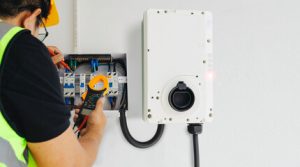
Understanding EV Charger Requirements
EV chargers come in multiple levels, each with unique power requirements. Level 1 chargers are the simplest, plugging into standard 120-volt outlets, and are typically slower, delivering only a few miles of charge per hour. Level 2 chargers, on the other hand, require 240 volts and can provide a much faster charging rate. Some commercial applications even utilize DC fast chargers, which demand significant electrical infrastructure and specialized installation expertise.
A professional electrical service provider assesses the property’s existing electrical system to determine if it can support the desired EV charger. This includes evaluating the main electrical panel, circuit capacity, grounding, and load balancing. Installing a charger without proper assessment can lead to frequent breaker trips, voltage drops, and potential safety risks. Professionals ensure that the installation is compatible with the property’s power supply and meets both the manufacturer’s specifications and local code requirements.
Safety First: Preventing Hazards
Safety is the most important consideration in any electrical installation, and EV chargers are no exception. Improperly installed charging equipment can overheat, short circuit, or cause electrical fires. Moreover, since EV chargers are used frequently, sometimes multiple times a day, even minor installation flaws can compound into serious hazards over time.
Professional electricians follow strict safety protocols during installation. They verify proper grounding, ensure that circuit breakers are rated correctly, and use wiring that can handle the high amperage required by the charger. Safety features, such as GFCI protection, are also incorporated to prevent shocks in wet or damp environments. In addition, certified professionals stay updated on evolving electrical codes, guaranteeing that every installation meets legal and industry standards.
Optimizing Performance and Efficiency
An improperly installed EV charger can result in slow charging times, wasted energy, and unnecessary wear on both the charger and the vehicle’s battery. Professional installation ensures that the charger operates at peak efficiency by connecting it to a dedicated circuit, minimizing voltage drop, and balancing the electrical load across the property.
Beyond the initial installation, electrical professionals can advise on future energy efficiency measures. For example, they may suggest upgrading the main panel to accommodate multiple chargers or integrating smart charging technology that schedules charging during off-peak hours to reduce electricity costs. Proper installation not only protects your investment but also improves the overall performance and longevity of your EV charging system.
Planning for Future Expansion
As EV adoption grows, many property owners anticipate the need for multiple chargers. Whether for households with more than one electric vehicle or commercial properties offering charging to employees or customers, planning is essential.
Professional electrical services take into account future expansion during the initial installation. They might recommend installing larger conduit pathways, additional circuit capacity, or a higher-capacity electrical panel. By planning for growth, property owners avoid costly upgrades or retrofits later, ensuring that the charging infrastructure remains scalable and adaptable to future needs.
Two common considerations for future-proofing include:
- Panel Capacity Upgrades – Ensuring that the main panel can handle multiple chargers or additional high-power devices.
- Load Management Systems – Implementing systems that balance electricity use, allowing multiple chargers to operate efficiently without overloading circuits.
Proper foresight during installation provides both flexibility and reliability, making it easier to adapt to changing energy demands.
Compliance with Electrical Codes and Regulations
EV charger installations must adhere to national and local electrical codes, which are designed to ensure safety and reliability. Non-compliance can result in legal issues, insurance complications, and increased risk of electrical hazards.
Licensed electrical contractors are familiar with these regulations and ensure that every installation is code-compliant. This includes using the correct wire gauges, breakers, grounding methods, and safety equipment. By relying on professional services, property owners gain assurance that the installation will pass inspections and meet all regulatory requirements, protecting both property and occupants.
Integration with Renewable Energy Systems
Many property owners choose to combine EV charging with renewable energy sources such as solar panels. Integrating a charger with a solar system or energy storage solution requires careful planning and specialized expertise. Professionals can design a system that allows your EV to draw power from renewable sources while ensuring proper load management and safety.
This integration not only reduces reliance on the grid but also contributes to environmental sustainability. Additionally, smart energy management systems can optimize the use of renewable energy for EV charging, reducing electricity costs while maximizing efficiency. Proper professional installation ensures that all components work together seamlessly, avoiding potential issues such as overloading or voltage fluctuations.
The Importance of Professional Maintenance
EV chargers, like any high-powered electrical system, require ongoing maintenance to ensure safety and performance. Professional electrical services extend beyond installation to include regular inspections, testing, and troubleshooting.
Maintenance may involve:
- Checking connections for wear or corrosion
- Verifying proper circuit operation
- Inspecting grounding and safety devices
- Updating firmware or smart charging software
- Testing charging speed and efficiency
Scheduled maintenance prevents unexpected failures, improves system reliability, and extends the lifespan of both the charger and the associated electrical infrastructure.
Cost Considerations and Investment Value
While hiring a professional electrical service may involve a higher upfront cost than DIY installation, it is an investment that protects both property and vehicle. Improper installations can result in expensive repairs, property damage, and even voided warranties on the EV charger or vehicle.
Professional installation provides value by:
- Reducing Risk – Preventing fires, shocks, or damage to property and equipment.
- Improving Efficiency – Ensuring chargers operate at optimal performance and minimize energy waste.
- Enhancing Longevity – Protecting the charger and electrical system for long-term use.
- Supporting Future Growth – Allowing for additional chargers or system upgrades without major retrofits.
Ultimately, the investment in professional electrical services is a proactive step that ensures safety, compliance, and reliable EV charging for years to come.
Choosing the Right Electrical Service Provider
Selecting a qualified electrical contractor is crucial for a successful EV charger installation. Property owners should look for professionals who have experience with high-powered installations, knowledge of EV charger specifications, and familiarity with local electrical codes.
A reputable contractor will provide:
- A detailed assessment of electrical capacity and requirements
- Recommendations for the proper charger type and installation location
- Transparent estimates for labor and materials
- Post-installation testing and safety verification
- Ongoing maintenance and support services
Working with an experienced provider ensures peace of mind, as well as a safe, efficient, and scalable EV charging system.
EV charger installation is a critical investment in modern property infrastructure. As electric vehicles become increasingly popular, the need for safe, reliable, and efficient charging solutions grows. Professional electrical services are essential to achieving these outcomes, from initial planning and installation to ongoing maintenance and future expansion.
Proper installation protects property and occupants from hazards, ensures compliance with electrical codes, optimizes performance, and prepares for evolving energy demands. Additionally, integrating chargers with renewable energy or smart systems enhances efficiency and supports sustainability goals.
Ultimately, hiring professional electrical services for EV charger installation is not just a matter of convenience—it is a strategic decision that safeguards your investment, supports technological advancement, and ensures reliable access to power for your electric vehicle. With the right expertise, property owners can enjoy the full benefits of EV ownership while maintaining a safe and efficient electrical system that serves both current and future needs.