Author: Louie David

Residential Concrete Services: Enhancing Strength, Functionality, and Curb Appeal

Residential concrete services play a vital role in building durable, functional, and visually appealing outdoor and indoor spaces for homeowners. Concrete is one of the most versatile construction materials available, offering long-lasting performance and design flexibility for a wide range of residential applications. From structural foundations to decorative surfaces, professional GK Construction Solutions helps ensure quality results that stand the test of time.

Homeowners increasingly choose concrete solutions because of their durability, low maintenance requirements, and ability to complement various architectural styles. Understanding the scope of residential concrete services and their benefits helps homeowners make informed decisions when planning construction, repair, or improvement projects.
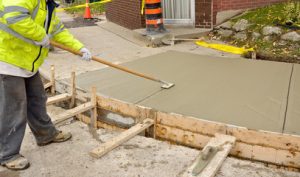
concrete services

Understanding Residential Concrete Services

Residential concrete services encompass the installation, repair, and maintenance of concrete structures within residential properties. These services are designed to support both functional needs and aesthetic goals, creating surfaces that are safe, durable, and visually appealing.

Concrete can be customized through different finishes, textures, and reinforcement methods. Professional concrete services ensure that each project meets structural requirements while achieving the desired appearance.

Common residential concrete applications include driveways, walkways, patios, foundations, and slabs.

Why Concrete Is Ideal for Residential Projects

Concrete is widely used in residential construction due to its strength and adaptability. When properly installed, concrete surfaces can withstand heavy loads, weather exposure, and daily wear.

In addition to durability, concrete offers flexibility in design. Decorative options allow homeowners to achieve unique looks that enhance curb appeal and property value.

Key benefits of residential concrete include:

  1. Long-lasting strength and durability
  2. Versatile design options and finishes

These advantages make concrete a preferred choice for many residential projects.

Types of Residential Concrete Services

Residential concrete services cover a wide range of projects tailored to homeowners’ needs. Each service is designed to address specific functional and aesthetic requirements.

Installation services focus on creating new concrete surfaces, while repair and restoration services address existing damage. Maintenance services help preserve the integrity and appearance of concrete over time.

Professional concrete providers assess each project individually to determine the best approach and materials.

Concrete Driveways and Walkways

Concrete driveways and walkways are among the most common residential concrete services. These surfaces provide safe and durable access points while contributing to the home’s overall appearance.

Concrete driveways offer superior load-bearing capacity and long-term performance compared to other materials. Walkways benefit from smooth, slip-resistant finishes that improve safety.

Proper installation ensures even surfaces, effective drainage, and resistance to cracking.

Patios and Outdoor Living Spaces

Concrete patios create versatile outdoor living areas that enhance comfort and usability. These spaces can be designed for relaxation, entertainment, or dining.

Decorative concrete techniques allow patios to mimic the appearance of stone, brick, or tile while maintaining the durability of concrete. Textured finishes improve traction and visual appeal.

Concrete patios are customizable and designed to withstand outdoor conditions year-round.

Concrete Foundations and Slabs

Foundations and slabs are critical components of residential structures. Concrete provides the strength and stability needed to support buildings and protect them from shifting or settling.

Professional residential concrete services ensure proper site preparation, reinforcement, and curing. These steps are essential for creating foundations that maintain structural integrity over time.

High-quality concrete foundations contribute to the overall safety and longevity of the home.

Decorative Concrete Options

Decorative concrete has become increasingly popular in residential applications. Homeowners appreciate the ability to achieve unique designs without sacrificing durability.

Stamped, stained, and polished concrete finishes add character to patios, driveways, and interior floors. These techniques allow for customization while maintaining easy maintenance.

Decorative concrete enhances both interior and exterior spaces, adding value and visual interest.

Concrete Repair and Restoration Services

Over time, concrete surfaces may develop cracks, chips, or surface wear. Residential concrete repair services address these issues to restore function and appearance.

Repair techniques vary depending on the extent of damage. Minor cracks may be sealed, while more significant damage may require resurfacing or partial replacement.

Timely repairs help prevent further deterioration and extend the lifespan of concrete surfaces.

Importance of Proper Installation Techniques

Proper installation is essential for achieving durable concrete results. Residential concrete services involve precise mixing, placement, and curing processes.

Professionals follow established methods to ensure even surfaces and proper reinforcement. Attention to detail during installation reduces the risk of cracking and surface defects.

Quality installation contributes to long-lasting performance and reduced maintenance needs.

Weather and Environmental Considerations

Environmental factors play a significant role in residential concrete projects. Temperature, moisture, and soil conditions can affect concrete performance.

Professional concrete services account for these factors during planning and installation. Proper curing techniques protect concrete from weather-related issues and improve durability.

Considering environmental conditions ensures optimal results and long-term reliability.

Maintenance of Residential Concrete Surfaces

Although concrete is low maintenance, proper care helps preserve its appearance and strength. Regular cleaning and sealing protect surfaces from stains and moisture intrusion.

Maintenance routines may vary depending on surface type and exposure. Outdoor surfaces benefit from periodic inspections to identify early signs of damage.

Maintaining concrete surfaces extends their lifespan and enhances their visual appeal.

Choosing Professional Residential Concrete Services

Selecting experienced professionals is essential for successful concrete projects. Residential concrete services require specialized knowledge of materials, techniques, and design options.

Professional concrete services typically offer:

  1. Comprehensive project assessment and planning
  2. Skilled installation and reliable workmanship

Working with professionals ensures that projects are completed efficiently and to high standards.

Long-Term Value of Residential Concrete Services

Investing in residential concrete services provides long-term value for homeowners. Durable concrete surfaces reduce the need for frequent repairs and replacements.

Concrete improvements also enhance curb appeal and overall property value. Well-designed and maintained concrete features contribute to a positive first impression.

Long-term durability and aesthetic appeal make concrete a smart residential investment.

Sustainability and Concrete Use

Concrete is increasingly recognized for its sustainability benefits when used responsibly. Long-lasting concrete surfaces reduce material waste over time.

Modern concrete practices focus on efficient use of resources and improved durability. These approaches support environmentally conscious construction goals.

Sustainable concrete solutions align with modern residential building practices.

Residential concrete services offer homeowners reliable solutions for durable and attractive surfaces. From driveways and patios to foundations and decorative features, concrete provides unmatched versatility and strength.

Professional installation, repair, and maintenance ensure that concrete surfaces perform well and maintain their appearance. By choosing quality residential concrete services, homeowners can enhance functionality, safety, and long-term value.

Visit our Professional Services Blogs

Chris Atkins Lawncare, Atticus Landscaping, Treasure Coast Pressure Wash, Gulf Beach Plumbing, Marlborough Plumbing, Guns And Hoses Pressure Washing, Ambrose Construction, Coral Gables Pressure Washing, Willco Photography, Roofing Akron, Danalogsdon Roofing El Cajon, EC Siding Roofing Windows, Aurora Gutter, American Insurance Source, ECO, etdn, Denison Service League,  Roofing Blog, Atlantic Vinyl Windows, Brookshires Fireplaces, JD Advanced Remodeling, Product Judgment, Master Dry Foundation Repair, Moe’s Hip, Elta Patio Paramount, Rock Around The Clock Festival, Learn, Play, Beyond, MoralesT Gardening, Car Window Tinting Perth, Duncan Carpentry, Gatestone Lighting, Mid Missouri Mold Inspections, Stucco Repair Albuquerque, Wausau Siding Hire, Munster Tree Care, Blue Granite Homes, Custom House, CENTRAL OS, Atlanta Pavers, Phillips Law Firm, Brent Ryder MasonryWalker Construction Drywall Division, RJ Law, Caledon Plumbing, DDS Tech USA, Maine Mortgage Services, Inckpen, Seasons at Rose Creek, Cottonwood Place Dental, Cosmetic Laser 2000 
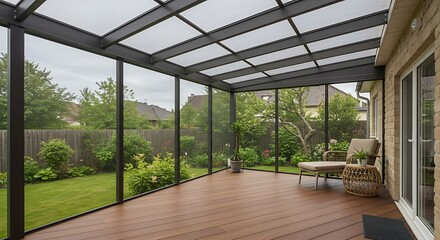
Common Room Addition Mistakes to Avoid

Room Addition

Adding a new room to a home is an exciting project that can dramatically improve comfort, functionality, and property value. Whether the goal is to create an extra bedroom, expand a kitchen, add a home office, or build a family room, a well-planned Room Additions Lexington KY can transform how a home is used. However, room additions are complex construction projects, and mistakes made during planning or execution can lead to costly delays, structural issues, and long term dissatisfaction.

Understanding the most common room addition mistakes helps homeowners avoid problems and achieve results that feel seamless, durable, and worthwhile.

Skipping Proper Planning and Clear Goals

One of the most common mistakes homeowners make is starting a room addition without clearly defining its purpose. A vague idea of needing “more space” is not enough to guide design decisions, layout, or budgeting. Without clear goals, additions may end up awkward, inefficient, or poorly suited to long term needs.

Proper planning starts with understanding how the new space will be used both now and in the future. Considerations such as furniture placement, storage needs, natural light, privacy, and traffic flow should be addressed early. Failing to plan these details can result in a room that looks fine but does not function well in daily life.

Clear planning also includes setting realistic expectations for size, timeline, and cost. Rushing into construction without a detailed plan often leads to changes mid project, which are one of the biggest sources of delays and budget overruns.

Underestimating the True Cost of a Room Addition

Budgeting mistakes are extremely common in room addition projects. Many homeowners focus only on visible construction costs and underestimate the full scope of expenses involved. In reality, room additions often include costs for design, permits, foundation work, framing, roofing, electrical, plumbing, HVAC integration, insulation, drywall, flooring, and finishing.

Unexpected issues such as poor soil conditions, outdated wiring, or structural upgrades can also increase costs once construction begins. Homeowners who fail to build a contingency into their budget may find themselves forced to cut corners or pause the project.

A realistic budget should include a buffer for unforeseen expenses and allow flexibility for material choices. Working with professionals during the planning phase helps create accurate estimates and reduces the risk of financial surprises.

Ignoring Local Building Codes and Permit Requirements

Another major mistake is failing to understand or follow local building codes and permit requirements. Room additions almost always require permits, inspections, and compliance with zoning regulations. Skipping this step can result in fines, forced changes, or even demolition of unapproved work.

Building codes exist to ensure safety, structural integrity, and proper installation of systems such as electrical and plumbing. Zoning rules may limit how close an addition can be to property lines or how large it can be relative to the existing home.

Attempting to bypass permits to save time or money often backfires. Unpermitted additions can cause serious issues when selling the home, refinancing, or filing insurance claims. Ensuring all approvals are in place before construction begins protects both the homeowner and the investment.

Choosing the Wrong Location for the Addition

The placement of a room addition has a significant impact on usability, aesthetics, and cost. A common mistake is choosing a location based solely on convenience without considering how it affects the rest of the home.

Poorly placed additions can disrupt natural light, block views, or create awkward interior layouts. Exterior appearance is also important. An addition that does not blend with the existing structure can look like an afterthought and reduce curb appeal.

Practical considerations such as access to plumbing, electrical systems, and HVAC also affect placement. Locating an addition far from existing systems may significantly increase construction costs. Careful site evaluation ensures the addition integrates smoothly with both the home and the property.

Failing to Match the Existing Home’s Design

One of the most noticeable mistakes in room additions is poor design integration. An addition that does not match the architectural style, roofline, materials, or proportions of the existing home can look out of place.

Interior mismatches can be just as problematic. Differences in ceiling height, trim style, flooring, or door placement can make the new room feel disconnected. These inconsistencies often reduce the overall appeal of the home rather than enhancing it.

Successful room additions feel like they were always part of the original structure. Achieving this requires thoughtful design, careful material selection, and attention to detail. Skipping this step can lead to regret even if the addition itself is well built.

Overlooking Structural and Foundation Requirements

Some homeowners assume that room additions are simple extensions of existing space, but structural considerations are critical. The foundation must be designed to support the new load, and existing structures may need reinforcement.

Inadequate foundation work can lead to settling, cracks, and long term structural issues. Similarly, failing to properly connect framing elements can compromise the stability of both the addition and the original home.

Structural mistakes are often hidden at first but become expensive problems over time. Professional evaluation ensures that foundations, load bearing walls, and framing systems are designed correctly from the start.

Neglecting HVAC, Electrical, and Plumbing Integration

Mechanical systems are often overlooked during early planning, leading to major issues later. A common mistake is assuming the existing HVAC system can easily handle the additional space without evaluation.

An undersized HVAC system may struggle to maintain comfortable temperatures in the new room, leading to uneven heating and cooling throughout the home. Electrical systems may also need upgrades to support additional outlets, lighting, and appliances. Plumbing additions require careful planning to ensure proper water pressure and drainage.

Integrating these systems properly from the beginning ensures comfort, safety, and efficiency. Trying to address them as an afterthought often results in higher costs and compromised performance.

Cutting Corners on Materials or Labor

In an effort to save money, some homeowners choose lower quality materials or inexperienced labor. While this may reduce upfront costs, it often leads to higher expenses over time due to repairs, replacements, or poor performance.

Inferior materials may not withstand weather exposure, daily use, or structural stress. Poor workmanship can result in uneven surfaces, leaks, electrical issues, or code violations.

A room addition is a permanent part of the home. Investing in quality materials and skilled professionals ensures durability, safety, and long term satisfaction. Cutting corners rarely pays off in the long run.

Poor Communication With Contractors

Miscommunication between homeowners and contractors is a frequent source of frustration and mistakes. Without clear communication, expectations about scope, timeline, materials, and costs may not align.

Changes made verbally without documentation can lead to disputes or misunderstandings. Homeowners may assume certain features are included when they are not, or contractors may proceed without full clarity on preferences.

Regular communication, written agreements, and detailed plans help keep everyone aligned. Asking questions, reviewing progress, and addressing concerns early prevents small issues from becoming major problems.

Ignoring Future Needs and Resale Value

Focusing only on immediate needs is another common mistake. While it is important that the addition serves current purposes, it should also consider future flexibility and resale value.

Highly specialized spaces may limit appeal to future buyers. Poor layout or design choices may reduce overall functionality as needs change. An addition that overwhelms the lot or disrupts flow may negatively affect resale.

Designing with flexibility in mind helps ensure the addition remains valuable over time. Thoughtful planning balances personal preferences with broader market appeal.

Underestimating Timeline and Disruption

Room additions take time, and underestimating the construction timeline is a common error. Delays can occur due to weather, inspections, material availability, or unexpected issues uncovered during construction.

Homeowners who do not prepare for extended disruption may experience stress and inconvenience. Noise, dust, limited access to certain areas, and temporary utility interruptions are part of many addition projects.

Realistic scheduling and preparation help manage expectations. Understanding that quality work takes time reduces frustration and helps the project progress more smoothly.

Skipping Professional Design and Engineering Support

Some homeowners attempt to design room additions without professional input to save money. While this may work for very small projects, it often leads to design flaws, code issues, or inefficient use of space.

Architects, designers, and engineers bring valuable expertise in layout, structure, and compliance. Their involvement helps avoid costly mistakes and ensures the addition is both functional and safe.

Professional design support often saves money in the long run by reducing changes, delays, and rework during construction.

Final Thoughts on Avoiding Room Addition Mistakes

Room additions can significantly enhance a home when done correctly, but mistakes can quickly turn a dream project into a stressful experience. Common errors such as poor planning, underestimating costs, ignoring codes, and cutting corners are largely preventable with the right approach.

Clear goals, realistic budgeting, professional guidance, and thoughtful design integration are the foundation of a successful room addition. By understanding and avoiding these common mistakes, homeowners can create spaces that feel natural, functional, and valuable for years to come.

A well executed room addition is not just about adding square footage. It is about improving how a home works and feels, while protecting the investment and ensuring long term satisfaction.

Navigation